
World Cup 2026 the tournament is becoming the focus of attention for football fans worldwide, not only because of its expanded scale but also because of several important changes to the rules of the game. With the tournament taking place in North America, a country with diverse climates, FIFA has decided to adjust the water break regulations to protect the health of the players. This move has received much attention from both experts and fans. From this perspective keo nha cai this change could directly affect the pace of the game, the tactics of the teams, and even how coaches manage players’ fitness throughout the tournament.
FIFA adjusts World Cup 2026 water break rules.
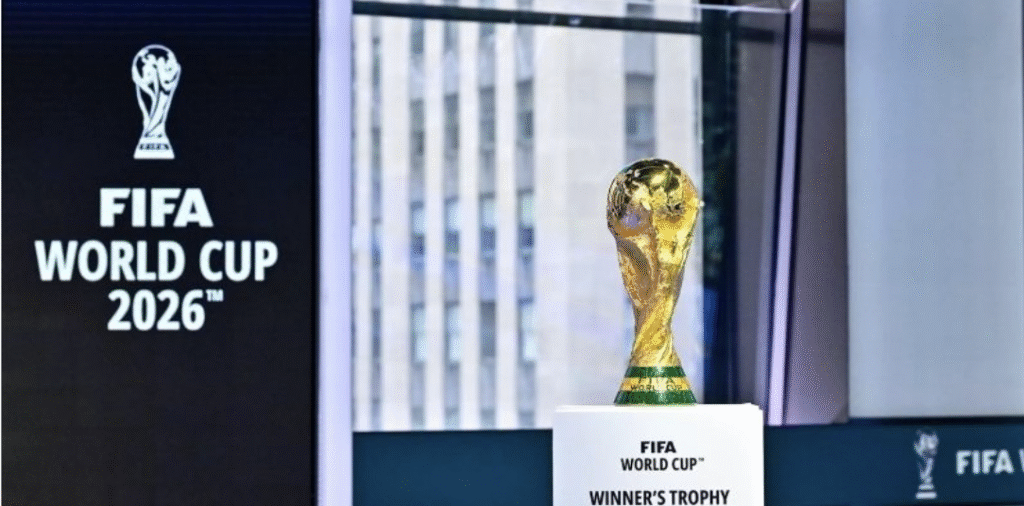
The new regulations aim to protect players’ physical condition in hot weather.
FIFA has long closely monitored the issue of match temperatures in major football tournaments. With the upcoming tournament being held in the United States, Canada, and Mexico, weather conditions are considered to have a direct impact on players’ endurance. Therefore, the world football governing body has decided to adjust the water break regulations to better suit the realities of the competition.
New World Cup 2026 rest period regulations
Fitness experts believe that taking water breaks at the right times can help players maintain performance throughout the 90 minutes. When the body becomes too dehydrated, movement speed and reflexes decrease significantly. This directly affects the quality of the match.
In the tournament World Cup 2026 referees have the flexibility to decide when to temporarily stop the game to allow players to rehydrate. The break typically lasts between 60 and 90 seconds, enough time for players to recover without disrupting the game’s rhythm for too long. This new rule is particularly important for matches played at midday or in cities with hot climates.
In addition, the organizers also requested that the teams prepare thoroughly regarding hydration, electrolyte replenishment, and physical fitness management. These seemingly small details can make a big difference in intense matches World Cup 2026.
Tactical impact from the break time.
One point worth noting is the water break time during the competition. World Cup 2026 this not only helps players recover but also gives coaches an opportunity to adjust tactics. In many previous matches, the short halftime break has become a golden opportunity for teams to quickly discuss how to implement their playing style.
Coaches can use those brief few minutes to issue new tactical instructions, change the pressing style, or adjust player positions. This makes the game more unpredictable and adds an interesting tactical element.
At the national team level, where players have little time to train together, such quick exchanges are even more crucial. Therefore, many experts believe that the new water break regulations could indirectly affect how teams execute their tactics throughout the tournament World Cup 2026.
Expert perspective from the sports world.
Sports scientists have long emphasized the importance of hydration during high-level competition. When ambient temperatures rise, a player’s body can lose 1 to 3 liters of water in a single match. Without timely rehydration, the risk of cramps or decreased performance increases.
Therefore, the new regulation is considered a reasonable step by FIFA. It helps minimize the risk of injury and protect the health of players, especially in the context of football increasingly demanding high intensity physical activity.
Many former players have also voiced their support for this decision. They argue that modern football needs to adapt to climate conditions and match schedules. World Cup 2026 instead of keeping the old, outdated regulations, we should adopt new ones.
North American climate conditions and challenges for players.
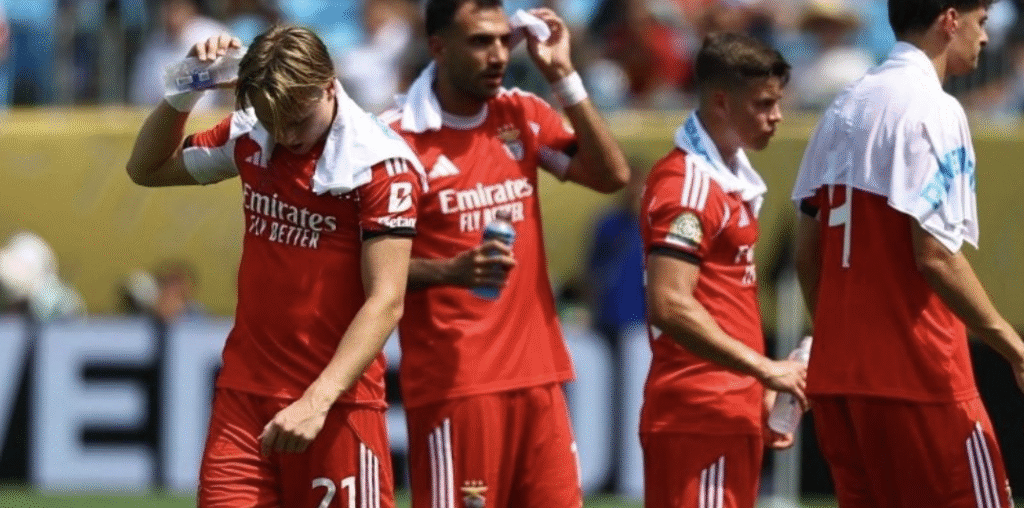
The diverse climate poses a significant challenge to the players’ physical condition.
Tournament World Cup 2026 the tournament will take place in numerous cities across North America. This means the teams will have to adapt to a variety of weather conditions. Some places have hot, dry climates, while others have high humidity, all of which can affect the players’ physical condition.
Constant travel between cities also makes it difficult for players to maintain consistent physical condition. Changes in temperature and time zones sometimes prevent the body from adapting before the next match.
Therefore, flexible rest periods are considered a necessary support measure. It helps reduce physical pressure on players while ensuring that matches maintain a high level of professional quality.
Besides health factors, climatic conditions can also affect playing style. Teams accustomed to playing at a high pace may need to adjust the tempo of the game to avoid expending too much energy too quickly.
Modern football and the trend of protecting players.
Over the years, FIFA has continuously updated its rules to better protect players. From the implementation of VAR technology and increased substitutions to regulations related to head injuries, all have been aimed at improving safety during matches.
The rule regarding rest periods is also part of this trend. As football continues to develop, players have to play more matches, travel more, and face greater pressure. Therefore, football organizations need to adjust the rules to suit this reality.
From a fan’s perspective World Cup 2026 these changes sometimes cause short pauses in the game. However, in return, the quality of play is maintained consistently and the risk of serious injury is significantly reduced.
Summary
World Cup 2026 not only is this the biggest tournament in history with the number of participating teams increasing to 48, but it’s also a stage for many improvements in the rules of the game. The flexible water break regulations show FIFA’s increasing focus on player health and real-world playing conditions. These adjustments can affect tactics, match tempo, and how teams prepare physically. For fans, this is also a signal that football is developing towards a more professional and sustainable direction. For more in-depth football analysis, you can refer to https://keonhacai.loans/.